The Healing Presence of Horses
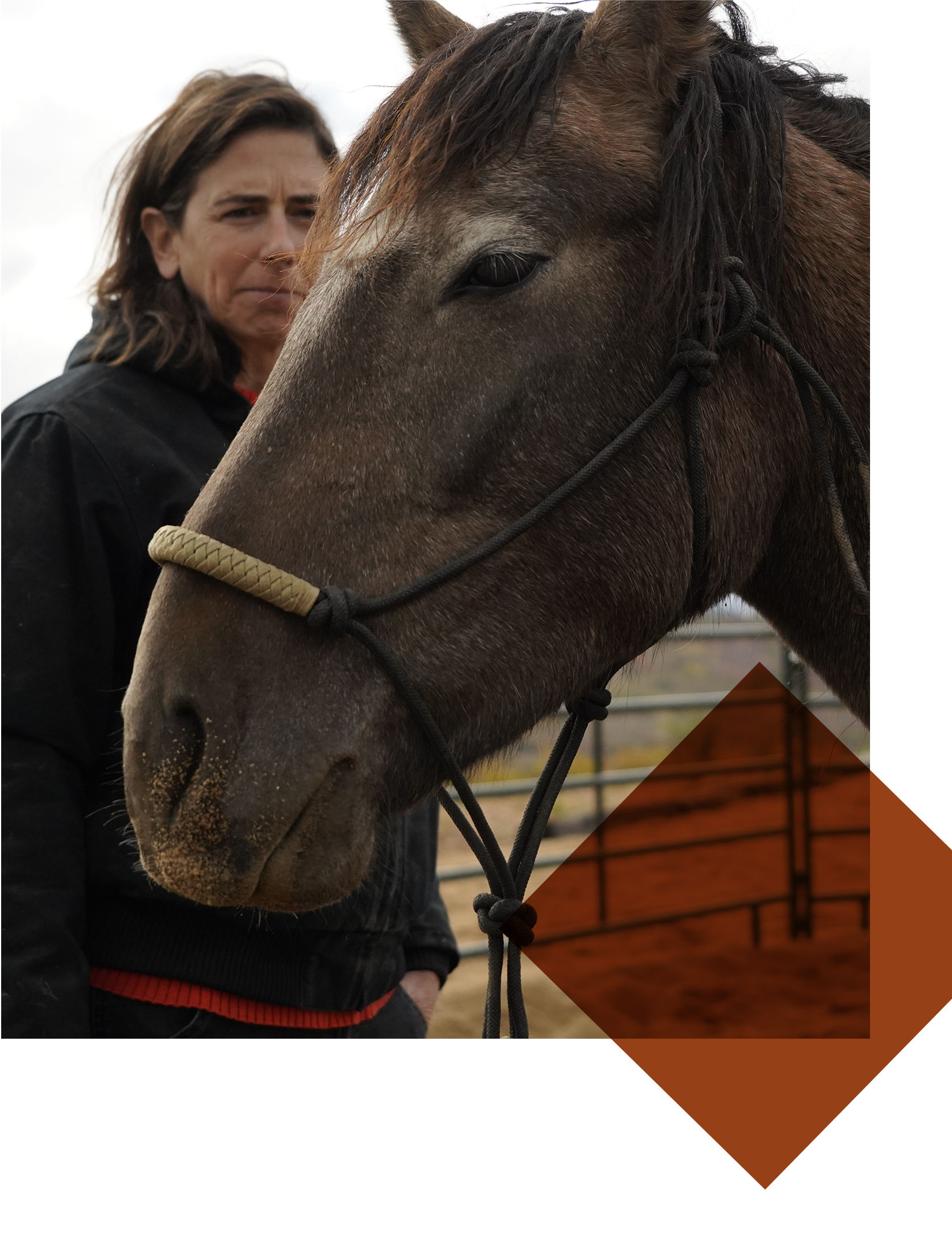
At ROOTs, we work within a web of relationships, and I feel lucky to add horses to this relational web. I am an only child; when growing up, horses taught me the essential lessons most siblings learn from one another. Most importantly, I learned about how my thinking and behavior could be co-opted by my emotions in a way that threatened intimacy and trust. Over the years, my best teachers have been four legged – they have challenged me to face some of the darkest parts of myself while simultaneously offering such loyalty and love. They have guided me in my journey to inhabit my own body and heart more fully. At ROOTs I facilitate equine assisted therapy groups for parents and clients during Parent Intensives and Family Workshops. I love being able to offer clients & families opportunities to experience the power of the horse-human connection. I have four horses at my property in Tollgate Canyon, about ten minutes away from ROOTs, and they are the primary therapists when we gather in my arena.
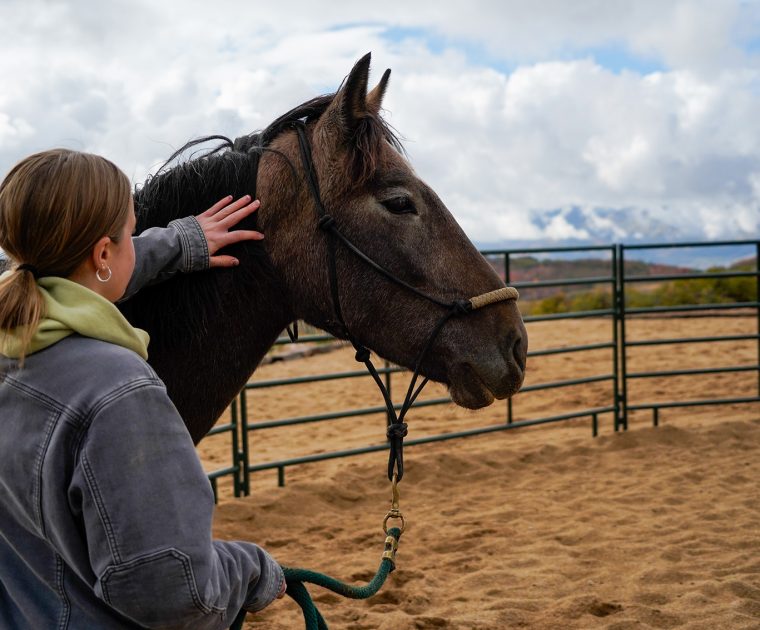
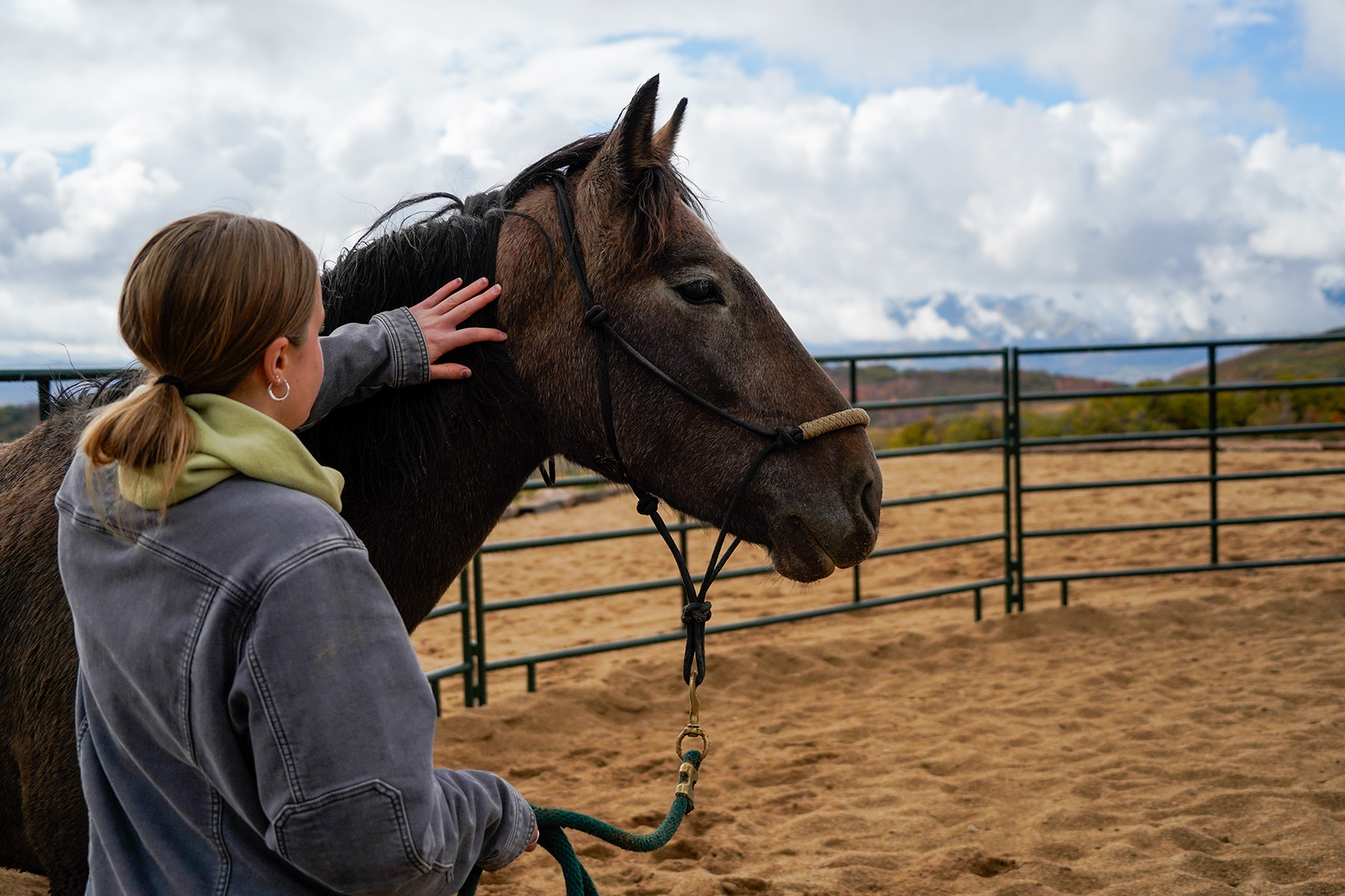
Horses provide much that is magical and defies explanation, but one thing is certain: a horse’s acceptance provides powerful healing. Horses are social creatures wired for connection, as humans are, and they will immediately provide positive feedback and join up with a client that offers safety through predictability. Time at the beginning of equine groups is given to establishing a collaborative relationship with the horses on the ground, through interactions that encourage the clients to observe, gain knowledge of the body language of horses, and translate that new knowledge into effective communication.
Each equine-assisted therapy group is tailored to meet the specific needs of the clients and parents participating. The horses are incredible mirrors of our emotional and relational worlds; our relational patterns with people tend to influence how we show up with the horses. There can be many things that get in the way of engaging the horses with calmness and consistency, and most of these are issues for clients in their human relationships. For instance, clients may struggle to stay in their bodies and connected to the present moment; they may struggle to set boundaries or make requests of the horses because they fear rejection; anxiety about the unpredictability of the horses and not knowing how to “do it right” might lead to dysregulation.
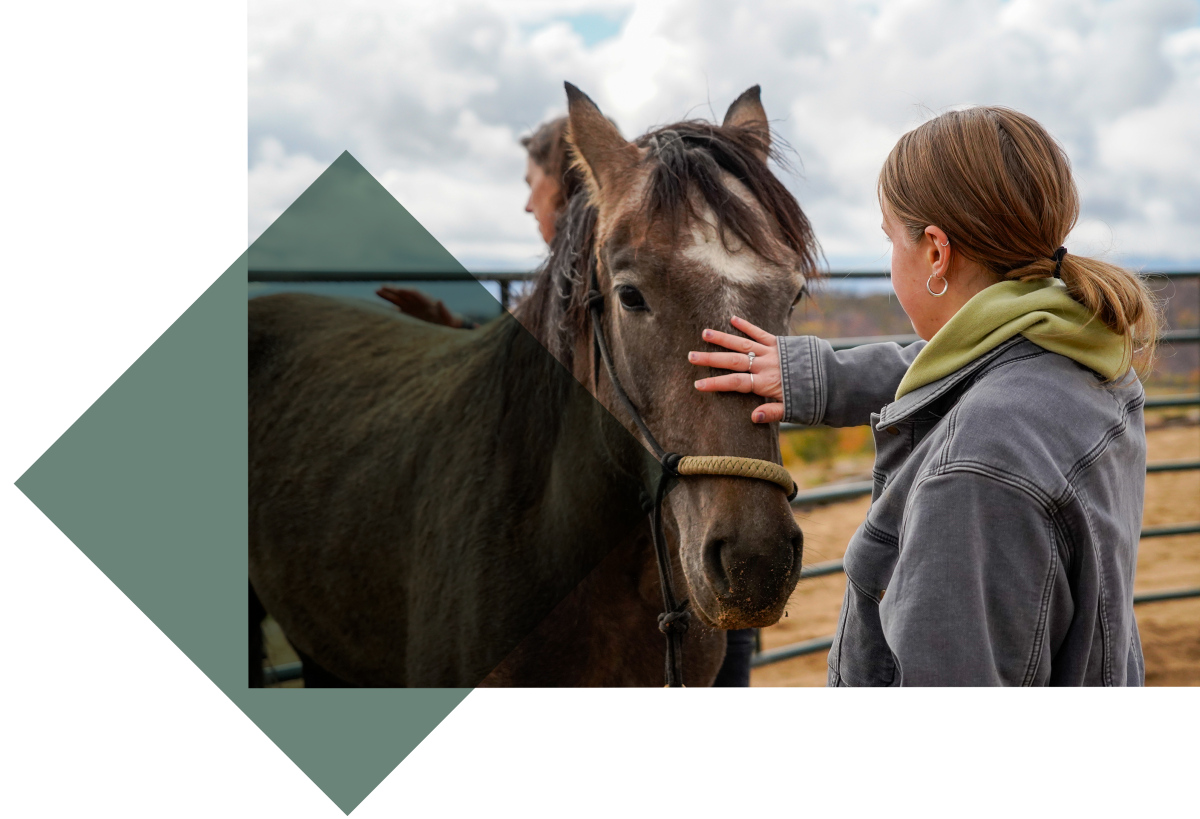
These nonverbal, experiential moments are helpful guideposts in a client’s process, highlighting what is getting in the way of connection and also providing opportunities to shift and try new strategies. Equine sessions give families and therapists novel ways to examine attachment patterns, communication styles, emotional regulation, and the impact of unresolved trauma. I feel grateful for the opportunities the horses provide us all for connection and healing; they are unendingly generous in their presence.