

Seeking Therapeutic Boarding Schools for Girls?
ROOTs Transition is the Leading Residential School for Girls Ages 15-18
ROOTs TRANSITION
About Our Program
Located in the beautiful mountains of Park City, Utah, ROOTs Transition supports adolescent females ages 15-18 and their families by blending elements of outdoor therapy and residential treatment in a home-like setting.
Following clinical assessments to determine their strengths and needs, clients have the opportunity to build on skills they will learn in nature through daily practice in our comfortable home-like setting. This allows our clients to maintain and build on their connections, while giving us the flexibility to meet their needs at any stage of their journey.
We believe that by integrating nature, intensive family support, and a continuum of care, we can help your child overcome their trauma and maladaptive behaviors. Our program works to build the resiliency and skills your child may need to move forward throughout life with self-esteem, healthy connections, and positive goals in mind.
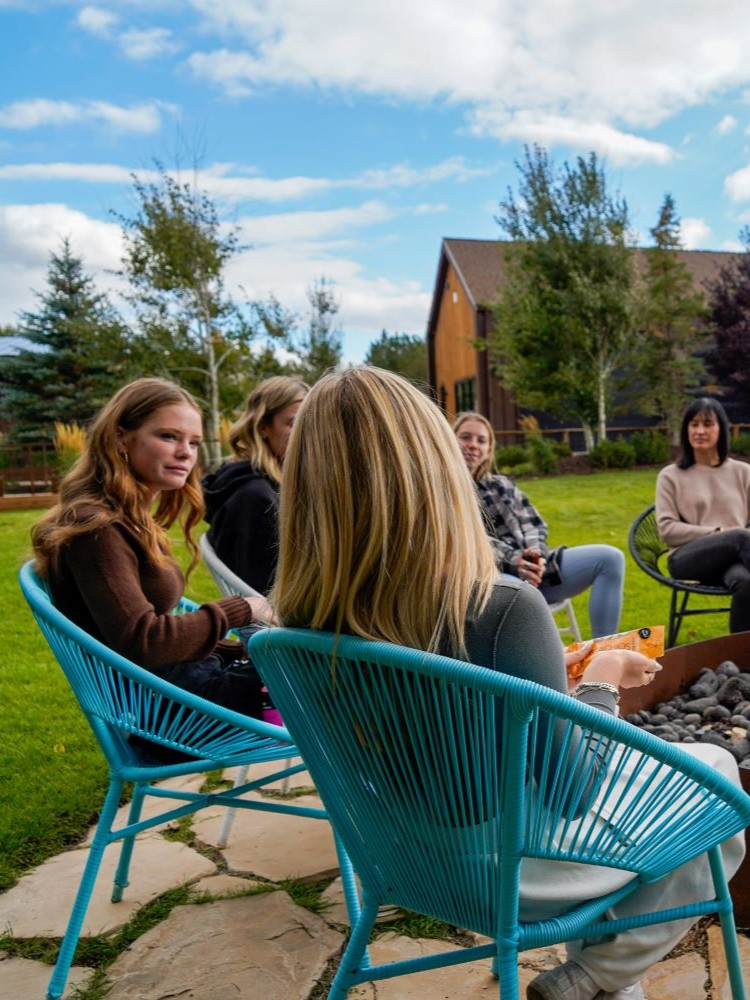
While at ROOTs, clients learn how to deal with these maladaptive patterns in a more healthy and productive way. Our inclusive community helps clients work towards identity awareness, development, and integration so that each individual can accept and love themselves for who they are.
Therapeutic Boarding Schools for Girls
Residential Treatment That Heals, Empowers, and Transforms Teens
At ROOTs Transition, we provide a comprehensive, trauma-informed approach to healing that combines evidence-based therapies with engaging outdoor experiences and a supportive academic curriculum. Our program is designed to meet the unique needs of adolescent girls aged 15–18, empowering them to overcome challenges and build a foundation for long-term success. Here’s what sets our program apart:
Individualized Treatment Plans
Every client’s journey is unique. We create personalized treatment plans tailored to each teen’s specific needs, goals, and progress. Our multidisciplinary team ensures that every aspect of care is aligned with their therapeutic journey.
Trauma-Informed Care
Using the NeuroAffective Relational Model ™ (NARM®), we address complex and attachment-related trauma, helping teens develop self-regulation, build healthy relationships, and reconnect with their authentic selves.
Evidence-Based Therapies
We offer a range of proven therapeutic modalities, including:
- Cognitive Behavioral Therapy (CBT): To help teens identify and change negative thought patterns.
- Eye Movement Desensitization and Reprocessing (EMDR): To process traumatic memories and reduce their emotional impact.
- Equine-Assisted Psychotherapy: To promote emotional healing through interactions with horses.
- Somatic Experiencing and Brainspotting: To address trauma stored in the body and deepen self-awareness.
Outdoor Adventure and Nature Therapy
Our hybrid outdoor model integrates nature into the healing process. Activities like hiking, mountain biking, skiing, camping, and meditation promote personal growth, emotional resilience, and a sense of accomplishment. The serene Utah landscape provides a powerful backdrop for self-reflection and transformation.
Academic Support
We understand that education is vital to a teen’s future. Our academic program is designed to keep students on track with their studies while addressing any learning gaps. Certified educators provide personalized support to foster confidence and academic success.
Family-Centered Approach
Healing involves the whole family. We involve parents in the process through therapy sessions, workshops, and regular communication. Our goal is to rebuild trust, improve communication, and strengthen family relationships.
Community Engagement
We encourage teens to connect with the world around them through community service, art projects, and cultural experiences. These activities foster a sense of purpose, belonging, and real-world application of the skills they’ve learned.
Safe and Supportive Environment
Our residential setting provides a home-like atmosphere where teens can feel safe, understood, and supported. With 24/7 care from a compassionate team, we create an environment where healing and growth can thrive.
Understanding the Difference: Therapeutic Boarding Schools vs. Residential Treatment Centers
While both therapeutic boarding schools and residential treatment centers provide structured environments for adolescents, their primary focuses differ.
- Therapeutic Boarding Schools emphasize academics, incorporating therapeutic support to help students succeed both emotionally and academically in a school-like setting.
- Residential Treatment Centers are more clinically focused, addressing higher levels of emotional and behavioral acuity. While education may be offered, treatment remains the central priority, providing intensive therapy to support deep healing and growth.
ROOTs Transition falls under the residential treatment category, offering trauma-informed care tailored to the unique needs of adolescent girls, with therapy at the core of our program.
BOARDING SCHOOLS FOR GIRLS
Boarding Schools for Girls: A Parent's Guide to Finding the Right Fit
Searching for boarding schools for girls can be hard. Parents often want more than a good school. They want a safe place where their daughter can get the support she needs.
Some girls struggle with emotional, behavioral, or social challenges. A structured boarding school can give them a fresh start. It can also provide daily support, clear routines, and a caring environment.
But boarding schools are not all the same. Some focus on academics and personal growth. Others, such as therapeutic boarding schools for girls, provide counseling and support for more serious emotional or behavioral needs.
In this guide, you’ll learn about the different types of boarding schools for girls. We’ll also explain how therapeutic boarding schools work. Find what parents should look for when choosing a program. You can also contact us directly to learn more. Our Utah programs help girls 15-18 years old who have attachment, relational, and/or developmental trauma.
What Are Boarding Schools for Girls? (Academic vs. Therapeutic Models)
Boarding school covers a wide range of programs. The differences also matter depending on what your daughter needs.
Traditional boarding schools are academically focused institutions. Students live on campus during the school year. They focus on college preparation, extracurriculars, and independence. Counseling support is often limited to standard school resources.
Therapeutic boarding schools combine academics with structured clinical support. This can include individual therapy, group therapy, and family therapy. They go beyond what a traditional school counselor can address. This can help for teens navigating emotional, behavioral, or mental health challenges.
Could your daughter benefit from a new academic environment? A traditional boarding school may be the right fit. Is she struggling with anxiety, depression, trauma, or behavioral issues that affect her daily functioning? If so, a therapeutic option is likely a better match.
Boarding School vs. Residential Treatment: What’s the Difference?
These terms are often used loosely. However, they describe different levels of care.
Boarding School, even a therapeutic one, is primarily an educational setting. Clinical support exists. However, the core structure revolves around the academic calendar and campus life.
Residential treatment is a clinical program first. Academics are included to keep teens on track. However, the primary structure is therapeutic. This may include individual and family therapy, clinical assessment, and a treatment plan. They’re built around specific mental health or behavioral needs.
Residential treatment offers a higher level of clinical support. Do your daughter’s struggles go beyond what a school-based counseling team can manage? It’s worth understanding this distinction clearly before enrolling.
Types of Boarding Schools for Troubled Teen Girls
Within the therapeutic space, programs vary by focus and intensity:
- Emotional Growth Boarding Schools: general support for anxiety, low self-esteem, or social struggles
- Behavioral Modification Programs: structured, consequence-based approaches for defiance or conduct issues
- Substance Use-Focused Programs: clinical support for teens navigating addiction
- Trauma and Attachment-Focused Programs: therapy centered on relational and developmental trauma, often with strong family involvement
- Wilderness or Hybrid Outdoor-Residential Programs: blend outdoor therapeutic work with a home-like residential structure rather than a traditional campus
These categories overlap. Also, terminology isn’t standardized across the industry. That’s why it’s worth asking for more info from boarding schools for girls. Which category best describes their clinical approach?
All-Girls Boarding Schools: Why a Single-Gender Environment Matters
For many families, a single-gender setting isn’t just a preference. It’s a clinical consideration. All-girls environments can offer:
- Reduced social pressure and distraction from mixed-gender dynamics. This can allow girls to focus on their own growth
- Therapy groups where girls can discuss sensitive topics without a mixed audience. This can include body image, relationships, and trauma.
- Programming tailored to challenges that affect adolescent girls. This includes eating disorders and relational trauma.
- A safer environment for girls with histories of abuse, particularly in therapeutic or residential settings.
This is relevant for girls with trauma histories. A single-gender therapeutic environment can reduce anxiety. This can support more open engagement in treatment.
What to Look for in a Therapeutic Boarding Schools for Girls
Not every program labeled “therapeutic” offers the same level of clinical rigor. Key factors to evaluate:
- Licensed Clinical Staff. Confirm therapists are licensed professionals, not just mentors or life coaches.
- Accreditation. Look for accreditation from recognized bodies. This can cover both the academic and clinical sides of the program.
- Clinical Specialization. Make sure the program has real experience treating your daughter’s concerns. It might be best to avoid a one-size-fits-all curriculum.
- Family Involvement. Ask how and how often parents participate in the therapeutic process.
- Environment. Consider whether a large institutional campus or a home-like setting will better support your daughter’s needs.
- Transparency. A trustworthy program will answer direct questions about outcomes, methods, and staff credentials without pressure tactics.
Academics at a Therapeutic Boarding Schools for Girls
Academics remain an important piece of any boarding school experience. However, in a therapeutic setting, they’re often adapted to support clinical progress. Here are some points to consider:
- Personalized instruction aligned with your daughter’s home school curriculum, so credits transfer smoothly
- Smaller class sizes than a traditional boarding school, allowing more personalized attention
- A schedule that balances academics with therapy sessions, skills groups, and daily structure
- Flexibility to adjust academic pace if emotional or behavioral needs require more clinical focus at a given time
The goal is often to address academics along with emotional needs. Integrating both can help your daughter return home ready for the next academic step.
The Role of Family Involvement in Boarding School Programs
A daughter’s struggles rarely exist in isolation from the family system. Lasting change also often requires more than just her own growth. It can require the whole family adjusting together. Strong programs prioritize:
- Regular family therapy sessions, whether in person or via video call
- Parent coaching to help caregivers understand and respond differently to their daughter’s behavior
- Structured family visits or workshops that let parents practice new skills directly
- A clear transition plan involving the whole family as your daughter prepares to return home
Ask any program you’re considering about family therapy. How is it structured and how often does it happen?
How Much Do Boarding Schools for Girls Cost?
Costs vary. It’s based on program type, length of stay, and level of clinical care. General considerations include:
- Private pay, often with payment plans available through the program
- Insurance, which may cover clinical services (though rarely tuition-style academic costs) depending on your plan
- Financing options through third-party healthcare or education lenders
- Educational consultants, who can help identify programs aligned with both your daughter’s needs and your budget
Therapeutic programs blend educational and clinical costs. It can be worth requesting an itemized breakdown. This can help you understand what’s covered, and what isn’t.
Questions to Ask Before Enrolling Your Daughter
Before committing to a program, these questions may help:
- Is this program primarily academic, therapeutic, or both? And how is that structured day to day?
- What are your clinical staff’s credentials, and what’s your staff-to-student ratio?
- How is family therapy incorporated, and how often do parents participate?
- What accreditation does the program hold?
- How is length of stay determined, and how much flexibility exists?
- What does the transition plan look like when treatment ends?
- Can we speak with alumni families about their experience?
It’s a good sign if a program willing answers these clearly. Be cautious of pressure or vague reassurances.
Why Utah is Home to Leading Therapeutic Boarding Programs
Utah has become a hub for adolescent therapeutic programs. The state offers access to both mountain wilderness and stable residential communities. This allows programs to combine outdoor-based therapeutic work with the consistency of a home-like setting. That’s without requiring families to send their daughter to a remote, isolated location.
There’s also access to many experienced providers. This means families researching options can find programs with specialized care. That’s rather than a generic, one-size-fits-all model.
How ROOTS Transition Compares to a Traditional Boarding School
ROOTS (Reclaiming Our Original Truths) Transition isn’t a traditional boarding school. Based in Park City, Utah, ROOTS is a hybrid outdoor-residential program for females ages 15–18. We support girls who are dealing with attachment, relationship, and developmental trauma.
Traditional boarding schools for girls focus mainly on academics. Therapy may be offered as part of the program. At ROOTS, clinical care comes first. Each client starts with a full assessment. She then builds new skills through therapy, outdoor experiences, and daily life in a supportive residential setting. Academics are also part of the program to help her stay on track with school.
This difference matters when a daughter is struggling with emotional, behavioral, or mental health challenges. If she needs more support than a traditional school can provide, ROOTS may be a better fit. The program combines therapy, residential care, outdoor experiences, family support, and academics.
If you’re exploring boarding schools for girls, contact ROOTS Transition to learn more. Our admissions team can answer your questions. You’ll learn about our program and determine if ROOTS may be a good fit for your daughter.